For Chinese bearing enterprises, participating in international exhibitions is no longer optional but a crucial pathway to integrate into the global industrial chain, secure high-end orders, and enhance brand influence internationally. A specialised bearing exhibition, particularly a renowned overseas industry event, serves as an efficient platform integrating brand showcase, technical exchange, market insight, and client engagement.
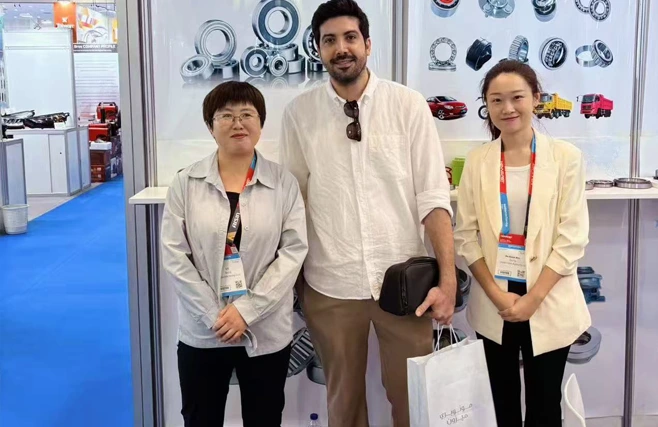
Why must bearing enterprises prioritise international exhibitions?
The global bearing market landscape is undergoing transformation. While Chinese bearings hold significant advantages in cost-effectiveness and manufacturing capabilities, substantial room for improvement remains in brand recognition and high-end market share. Participating in international bearing exhibitions delivers direct core value:
Direct engagement with targeted clients for efficient customer acquisition: Events like Hannover Messe in Germany and the Chicago Bearing Show in the US gather top global buyers, equipment manufacturers, and industry experts. Companies can conduct in-depth face-to-face discussions with numerous potential clients in a short timeframe, achieving far higher conversion rates than online promotions.
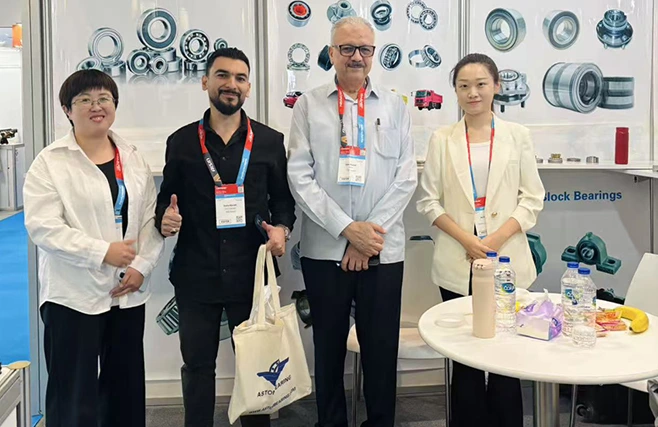
Gain industry insights and benchmark technologies: International exhibitions serve as concentrated showcases for cutting-edge technologies. By observing peers and upstream/downstream enterprises, companies can swiftly identify R&D directions and undertake technological benchmarking and upgrades.
Elevate brand image and build trust: Competing alongside industry giants on the international stage inherently demonstrates brand strength and commitment to globalisation. Professional stand design, high-quality product displays, and team expertise significantly bolster overseas clients' confidence in collaboration.
Acquiring First-Hand Market Intelligence: Engaging with clients from diverse regions provides direct insights into specific demands, certification standards, price sensitivity, and competitive landscapes across target markets like Europe, North America, and Southeast Asia. This informs the development of localised strategies.
